LSR injection Molding VS Compression Molding
Silicone molding plays a vital role in manufacturing high-performance components across industries such as medical, automotive, electronics, and consumer goods. Two of the most widely used methods are LSR (Liquid Silicone Rubber) injection molding and compression molding.
While both processes shape silicone into functional parts, they differ significantly in materials, production efficiency, precision, and cost. This guide provides a detailed comparison to help you choose the right method for your project.
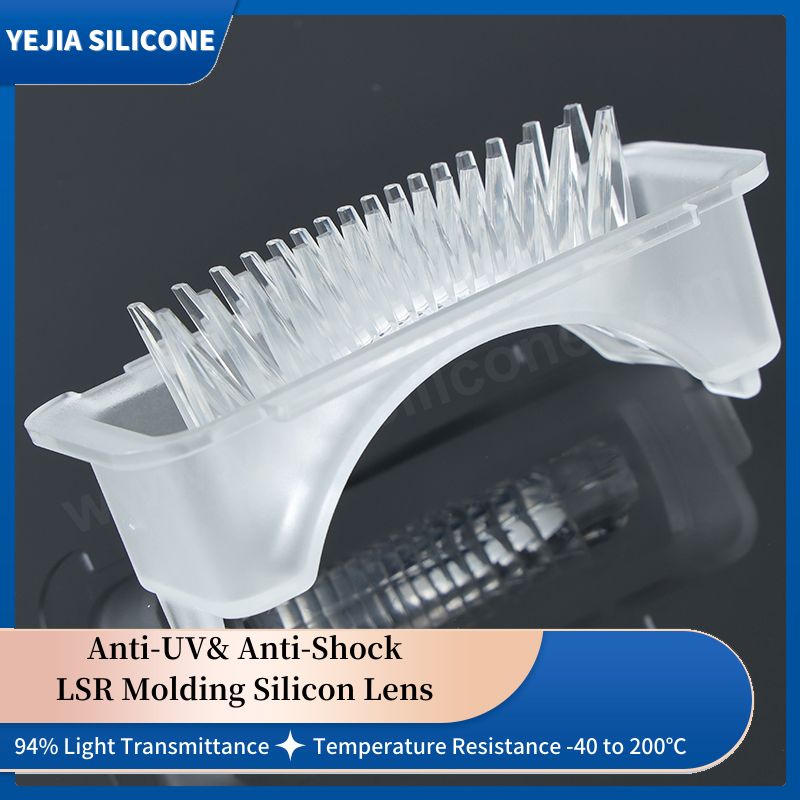
What is LSR Injection Molding?
LSR injection molding is an advanced process where liquid silicone rubber is injected into a closed mold cavity under pressure. The material is then heat-cured to form precise and durable components.
Key Characteristics:
- Uses liquid, two-part platinum-cured silicone
- Fully automated process
- Fast curing at high temperatures
- Ideal for high-volume production
What is Compression Molding?
Compression molding involves placing solid silicone (High Consistency Rubber – HCR) into a heated mold. The mold is then closed, and pressure is applied to shape and cure the material.
Key Characteristics:
- Uses solid silicone rubber
- Manual or semi-automatic process
- Longer curing cycles
- Suitable for low to medium production
LSR Injection Molding vs Compression Molding: Key Differences
1. Material Type
- LSR Injection Molding: Liquid silicone with low viscosity, flows easily into molds
- Compression Molding: Solid silicone (HCR), thicker and less flowable
👉 LSR is better for intricate designs, while compression suits thicker, simpler parts.
2. Production Speed and Efficiency
- LSR Injection: Fast cycle times (seconds to a few minutes)
- Compression: Slower cycles (several minutes per part)
👉 LSR is ideal for mass production; compression is better for small batches.
3. Precision and Complexity
- LSR Injection: High precision, tight tolerances, complex geometries
- Compression: Moderate precision, limited complexity
👉 Choose LSR for detailed parts like seals, valves, and micro-components.
4. Tooling and Setup Cost
- LSR Injection: High initial tooling and machine investment
- Compression: Lower tooling cost and simpler molds
👉 Compression molding is more cost-effective for prototyping and low-volume runs.
5. Surface Finish and Quality
- LSR Injection: Smooth, consistent finish with minimal defects
- Compression: May produce flash, requiring trimming and post-processing
👉 LSR provides superior aesthetic and functional quality.
6. Material Waste
- LSR Injection: Minimal waste due to controlled injection
- Compression: Higher waste due to excess material (flash)
7. Automation and Labor
- LSR Injection: Highly automated, low labor requirement
- Compression: Labor-intensive, manual handling required
8. Bonding and Insert Molding Capability
- LSR Injection: Excellent for insert molding and overmolding with strong bonding
- Compression: Limited insert integration and bonding consistency
Advantages and Disadvantages
LSR Injection Molding
Advantages:
- High precision and repeatability
- Fast production cycles
- Excellent surface finish
- Suitable for complex designs
- Ideal for medical and food-grade applications
Disadvantages:
- High initial cost
- Complex tooling design
- Requires specialized equipment
Compression Molding
Advantages:
- Lower tooling and setup cost
- Suitable for large or thick parts
- Flexible for small production runs
- Simpler process
Disadvantages:
- Slower production
- Lower precision
- More post-processing required
- Higher labor cost
Applications Comparison
LSR Injection Molding Applications:
- Medical devices (catheters, seals, diaphragms)
- Consumer electronics (keypads, waterproof seals)
- Automotive components
- Baby care products and wearables
Compression Molding Applications:
- Industrial gaskets and seals
- Silicone pads and covers
- Large rubber components
- Low-volume custom products
How to Choose the Right Process
Choose LSR Injection Molding if:
- You need high precision and complex designs
- Production volume is large
- Product requires consistent quality and automation
Choose Compression Molding if:
- You need low tooling cost
- Production volume is small to medium
- Design is simple and thick
Conclusion
Both LSR injection molding and compression molding are essential silicone manufacturing techniques, each with its own strengths.
- LSR injection molding stands out for its precision, speed, and scalability, making it ideal for advanced and high-volume applications.
- Compression molding remains a practical and economical solution for simpler designs and smaller production runs.
By understanding their differences, you can select the most efficient method to achieve high-quality, cost-effective silicone components tailored to your specific needs.For detail visit us.


Comments
Post a Comment