Durable Liquid Silicone Rubber (LSR) Solutions for Precision Molding and Advanced Manufacturing
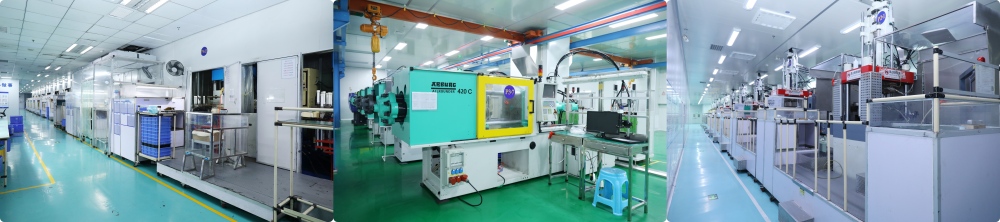
In today’s high-performance manufacturing landscape, materials must deliver precision, durability, and adaptability. One material that consistently meets these demands is Liquid Silicone Rubber (LSR). Known for its exceptional resilience and flexibility, LSR has become a preferred choice in industries ranging from medical devices to automotive engineering. Manufacturers like Yejia Silicone are driving innovation by offering advanced LSR solutions tailored for complex applications.
LSR is a flexible material that starts as a liquid and turns solid through a quick cure. Unlike thermoplastic elastomers (TPE) or fluorocarbon rubbers (FKM), which can break down under heat or lose shape over time, LSR holds strong. It blends top-notch thermal stability, biocompatibility, and bounce-back elasticity. These traits make it perfect for high-stakes work where parts can't afford to quit.
In fast-moving industries like medical devices and cars, precision matters a lot. One small flaw can lead to big problems. This guide digs into LSR's science, key uses, and new tech boosts. You'll see how it powers exact molding and smart manufacturing. By the end, you'll grasp why LSR boosts product life and cuts costs.
Core Material Properties of LSR: The Source of Durability
LSR stands out due to its unique combination of physical and chemical properties:
- High Thermal Stability: Performs reliably in extreme temperatures, from -50°C to over 200°C
- Excellent Elasticity: Maintains flexibility and shape even under repeated stress
- Chemical Resistance: Resistant to oils, water, and many chemicals
- Biocompatibility: Safe for medical and food-grade applications
- UV & Weather Resistance: Ideal for outdoor and long-term use
These properties make LSR a durable and dependable material for critical applications where failure is not an option.
Processing Advantages of LSR in Precision Molding
LSR is particularly valued in precision molding due to its efficient and highly controlled manufacturing process:
- Injection Molding Precision: Enables intricate designs with tight tolerances
- Fast Cycle Times: Reduces production costs and increases efficiency
- Low Viscosity: Flows easily into complex molds, ensuring detailed reproduction
- Automation Compatibility: Supports high-volume production with minimal human intervention
- Minimal Waste: Clean processing with reduced material loss
These advantages allow manufacturers to produce consistent, high-quality components at scale.
Key Applications in Advanced Manufacturing
LSR is widely used across industries requiring precision and reliability:
- Medical Devices: Seals, valves, tubing, and wearable components
- Automotive Industry: Gaskets, connectors, and vibration dampeners
- Electronics: Insulation parts, keypads, and waterproof seals
- Consumer Products: Baby care items, kitchenware, and wearable tech
- Optical Components: Lenses and light-guiding elements
Its versatility makes LSR a cornerstone material in advanced manufacturing ecosystems.
LSR vs. Other Elastomers: Key Advantages
Compared to traditional elastomers like EPDM, NBR, or TPE, LSR offers several distinct benefits:
- Superior Heat Resistance compared to thermoplastics
- Longer Lifespan under harsh conditions
- Better Biocompatibility for healthcare applications
- Enhanced Transparency for optical uses
- Lower Compression Set ensuring long-term sealing performance
While other elastomers may be cost-effective in some cases, LSR excels in performance-critical environments.
Practical Guide to Choosing LSR Manufacturing Solutions
Selecting the right LSR solution requires careful consideration:
- Application Requirements: Evaluate temperature range, chemical exposure, and mechanical stress
- Material Grade: Choose between medical-grade, food-grade, or industrial-grade LSR
- Design Complexity: Ensure the manufacturer can handle intricate mold designs
- Production Volume: Opt for automated systems for large-scale manufacturing
- Supplier Expertise: Partner with experienced providers like Yejia Silicone for consistent quality and innovation
A strategic approach ensures optimal performance and cost-efficiency.
Advanced Manufacturing Trends Integrating Durable LSR
Two-Shot and Multi-Material Integration (Insert Molding)
Two-shot molding layers LSR over hard plastics like polycarbonate. Or bonds it to metals for strength. Plasma blasts clean surfaces for grip. Primers help too if needed.
No glue required—bonds form in the mold. This builds tough assemblies fast. Grips on tools stay put after heavy use.
Keyboard domes overmold for clicky feel. They endure 50 million presses. Secure ties mean no peel-off issues. LSR adds seal and flex to rigid bases.
Real example: Power tool handles. LSR overmolds for non-slip hold in wet jobs. It cuts assembly steps by 30%.
Digital Manufacturing and Rapid Prototyping with LSR
3D printing with LSR inks speeds design tests. Print prototypes to check fit before big molds. This cuts time from months to days.
Formulations cure under UV or heat in printers. Complex shapes emerge without tools. Iterate on seals or valves quick.
For advanced manufacturing, this bridges ideas to production. Durable prints mimic final parts' flex. Commit to tooling only after proofs.
· Print Perks: Layer heights down to 0.1 mm for detail.
· Speed Boost: Prototype in hours, not weeks.
· Cost Save: 40% less on early tweaks.
These tools push LSR into new designs.
Conclusion & Future Outlook
Liquid Silicone Rubber continues to redefine what’s possible in precision molding and advanced manufacturing. Its unmatched durability, flexibility, and processing advantages make it a material of choice for next-generation products.
Durable LSR pairs long life with precise shapes from LIM. It tackles heat, chemicals, and stress better than most. This combo extends part use and trims waste.
Pick grades smart: soft for seals, hard for impact zones. Match to main stresses like heat or pull. Done right, components hit 10-20 year spans.
LSR fuels reliable products ahead. From medical breakthroughs to EV drives, it enables bold builds. Ready to upgrade your molding? Test LSR in your next project—it could change everything.


Comments
Post a Comment